Skip to main menu Skip to content
Winter Hours (Jan. 5 - May 31): We are open Monday to Friday from 9am to 5pm. To schedule an appointment, please fill out our appointment form or email us at asc@torontomu.ca

Archives A to Z 2022 Week 4

We’re joining the Archives of Ontario in their #ArchivesAtoZ month-long campaign. The aim is to increase the public’s awareness of archives and their collections. We’ll be sharing four blog posts throughout the month showcasing items and collections from our holdings or archival concepts related to each letter of the alphabet.

  • April 4: A to F
  • April 11: G to M
  • April 18: N to S
  • April 25: T to Z

Theatre Programs

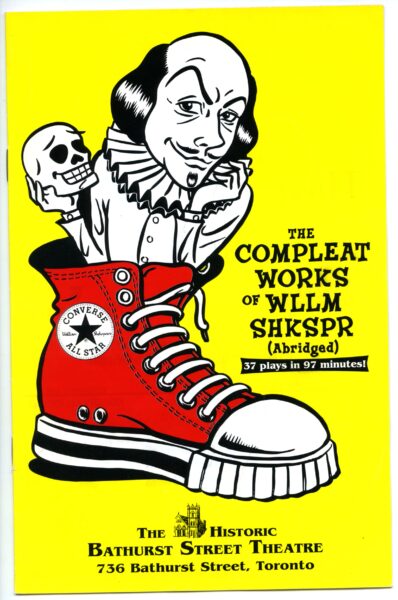
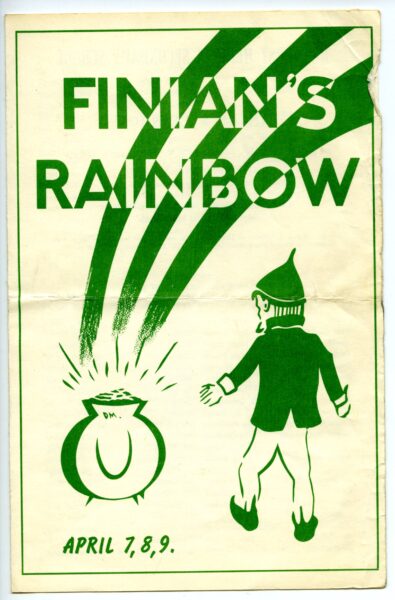
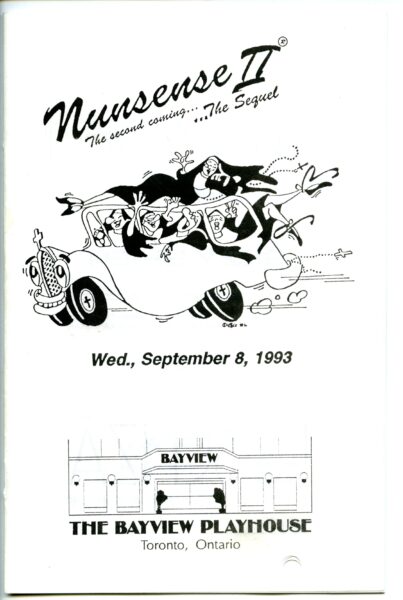
Did you know we have more than 2700 theatre programs in our collection, including 638 published by Toronto companies between 1959 and 2012? Some of the programs have the original ticket stubs and paper inserts from the attended performance. Here are a few examples from local theatres & acting groups:
Uniforms

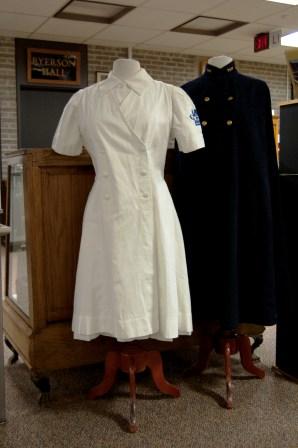
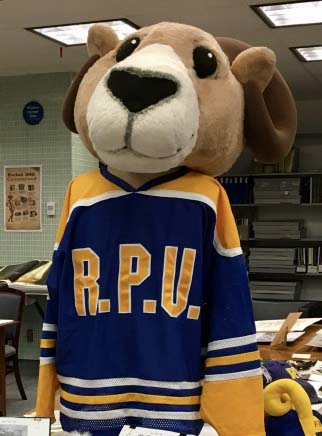
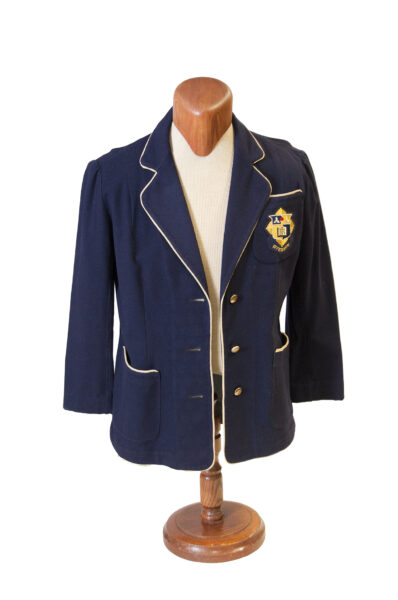
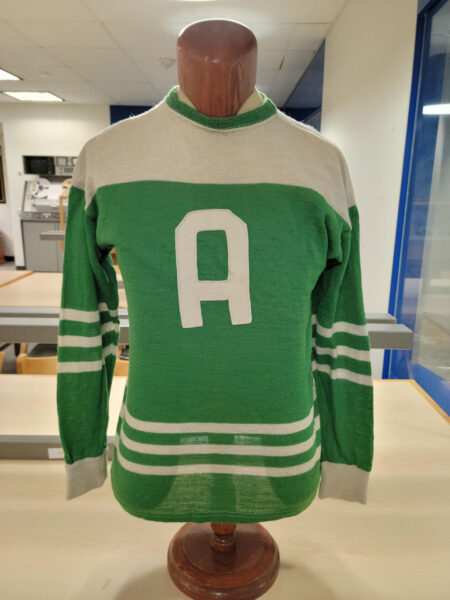
We are lucky enough to be home to a large selection of textiles/clothing – everything from nylons to rally caps. A large part of these collections are uniforms of different types. We have school uniforms, athletic uniforms, nursing uniforms, and even old mascot costumes in uniform. Here is just a sample of what we have.
Vinegar Syndrome

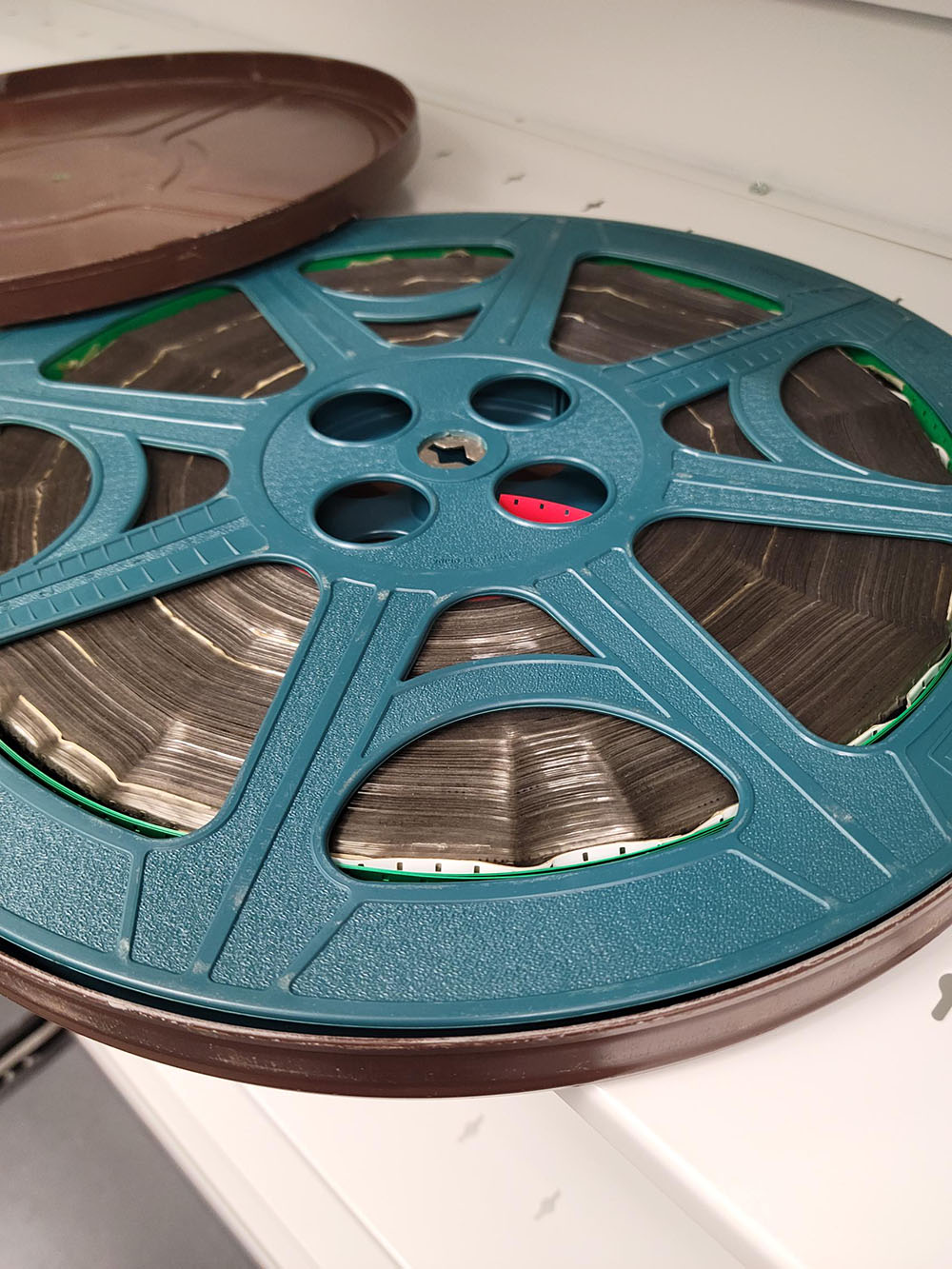
Vinegar Syndrome – this is something that most Archives and Special Collections have to deal with especially those that house large collections of film and photography. Acetate film bases were first introduced in the early 1900s as an alternative to the highly combustible nitrate film and was in use between the 1930s and the 1990s.

One of the major preservation concerns with acetate film, both in motion picture and still photography, is vinegar syndrome. As the film base starts to degrade (usually caused by levels of high temperature and humidity) there is a build up of acetic acid (the vinegar smell!). As the syndrome progresses the film begins to suffer from shrinkage, embrittlement, and buckling of the gelatin emulsion eventually making the film unplayable and the photographs illegible.

The Northeast Document Conservation Centre has information on the identification and care of film negatives . The Glenbow Library and Archives has information on Vinegar Syndrome and Acetate motion picture film
William Notman

Willian Notman immigrated to Montreal from Scotland in 1856 and founded what would become an internationally known photography studio. Notman photographed mostly prominent politicians and notable families but he was also well known across local athletic clubs and social groups.

He became known for his large composite group portraits and innovative portraiture techniques.  The composites were made by assembling multiple individual portraits through a collage. Notman also hired artists to paint realistic backdrops for his portraits in order to re-create outdoor settings in his studio.

His photography business expanded quickly and by 1872 Notman had 26 studios across North America. The company was renamed William Notman & Son in 1882 when his eldest son William McFarlane Notman, became a partner.

X-Rays
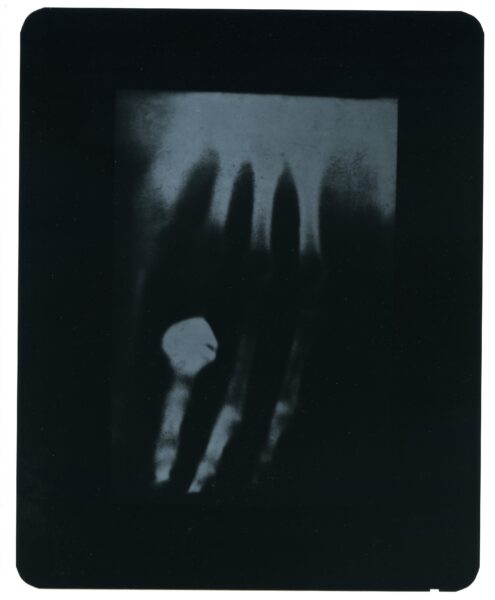
x-ray image of a hand

This image is copy of the x-ray Wilhelm Conrad Rontgen took of his wife’s hand in 1895. Kodak reproduced the image in 1970 to celebrate the 75th anniversary of Rontgen’s discovery of x-ray imaging. This copy was made using their KODAK RP/D X-OMAT Radiograph Duplicating Film.
Yellow Book

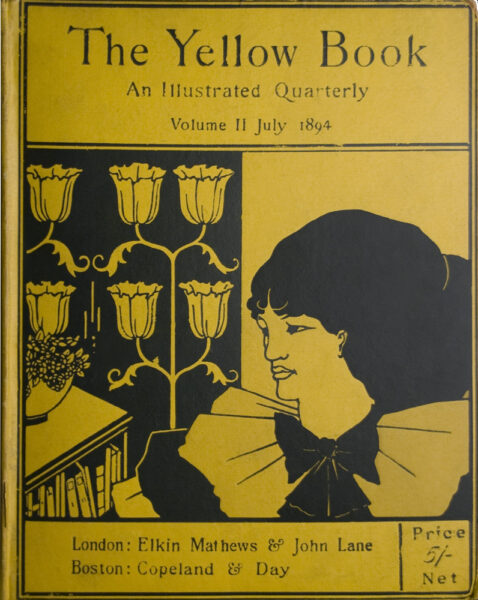
The Yellow Book is a Victorian magazine that published 13 quarterly editions between 1894 and 1897. The book’s bright yellow cover was a nod to the illicit French fiction novels of this era. The Yellow Book distinguished itself from other fin-du-siècle magazines through its division of literary and art content (treating each as standalone piece) and its avant-garde and lavish aesthetic (minimalist layouts and spacious margins). This magazine didn’t include advertisements and focused on the book itself being a piece of art rather than a vessel for information. Aubrey Beardsley was the magazine’s first art editor. The magazine published several of his extravagant Japanese-woodcut inspired black ink illustrations (as seen on the book cover below).

The Centre for Digital Humanities has a website dedicated to the time period, which became known as the Yellow Nineties. Issues of The Yellow Book have been digitized and can be viewed online.
Zebras

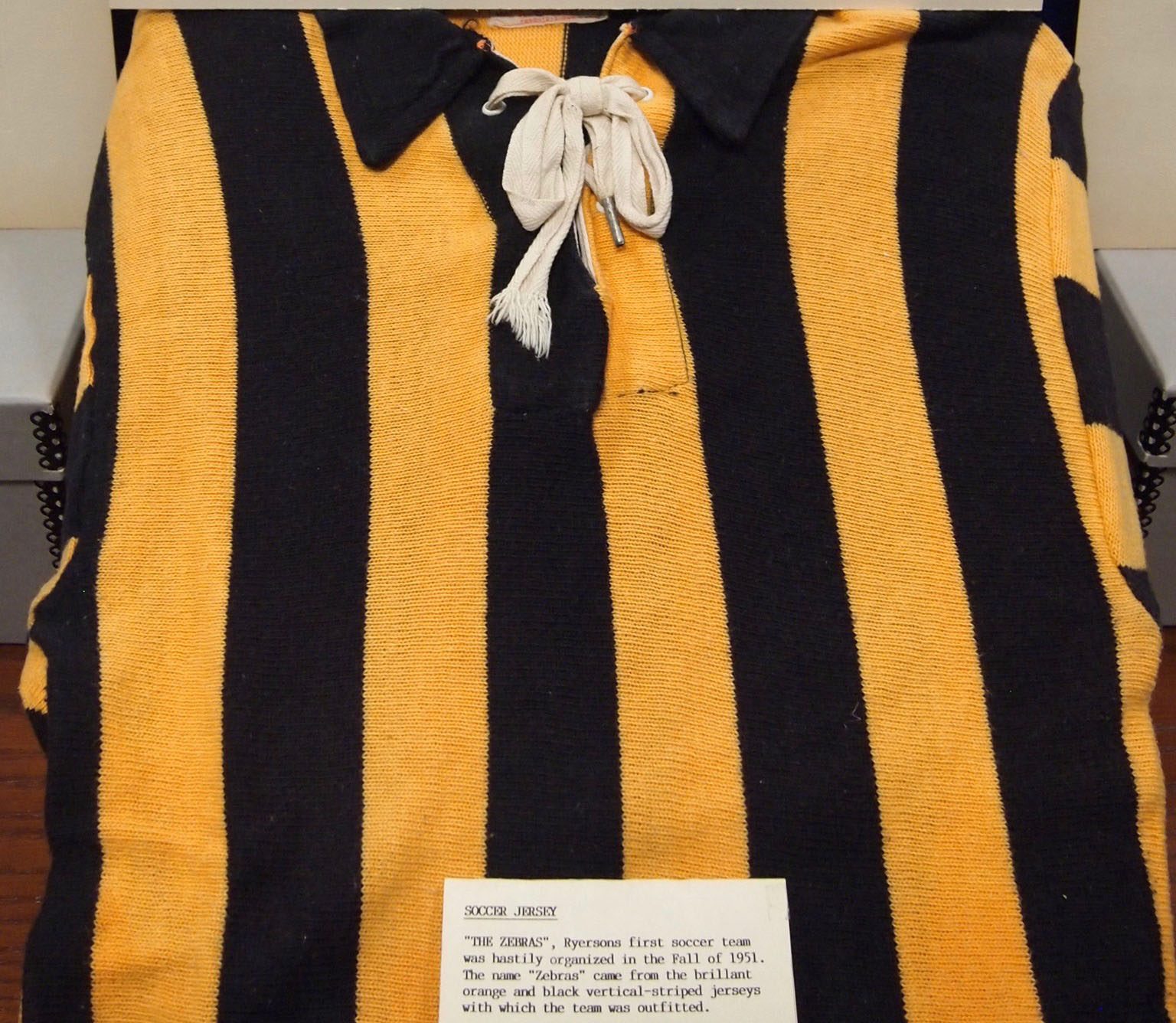
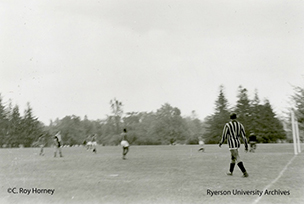
The Men’s soccer team in the early days of the School were called the Zebras for their bright gold and blue jerseys. The team debuted in 1951. They were intermediate champs in 1956-1957 and Intermediate Ontario-Quebec Conference Champions in 1958-1959. In 1964 they switched to the Ontario Intercollegiate Athletic Association and in 1965 changed to a bright orange/yellow jersey from the striped jersey that gave them their name. The Zebras continued under that name until the 1973-1974 school year when they became Rams.
We hope you have enjoyed our Archives A to Z blog post series. Explore the hashtag #ArchivesAtoZ to see what other repositories have shared online!
Archives A to Z 2022 Week 3

We’re joining the Archives of Ontario in their #ArchivesAtoZ month-long campaign. The aim is to increase the public’s awareness of archives and their collections. We’ll be sharing four blog posts throughout the month showcasing items and collections from our holdings or archival concepts related to each letter of the alphabet.

  • April 4: A to F
  • April 11: G to M
  • April 18: N to S
  • April 25: T to Z

Names on Campus

Have you wondered about names around campus? Let’s take a peek at two individuals connected with two campus buildings.

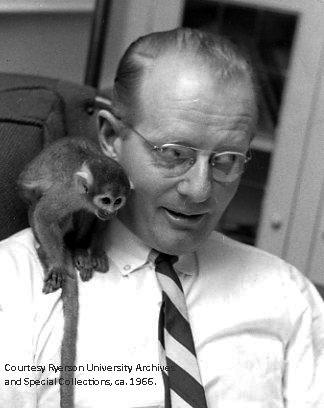
Jorgenson Hall was named after Fred Jorgenson, who, in 1966, took over as principal from retiring and founding principal, Howard H. Kerr. An extensive campus expansion being planned included the construction of a consolidating administrative building. Ten days before the turning of the sod, Jorgenson announced his unexpected resignation, effective July 1969, due to family illness. The building received its name in his honour. Jorgenson Hall officially opened in late 1971.

Fun facts about Fred Jorgenson :

  • Highly unusual at the time, he asked faculty to call him by his first name.
  • His title changed from principal to president in 1967.
  • The family pet was a monkey named George.
  • Believing in a tight-knit community, he went to a hospital to confer a diploma on a graduating, ill student.
  • The student body referred to him as “Uncle Fred”.
  • He worked diligently for Ryerson’s authority to grant degrees (first degree granted 1971).
  • He sent Christmas greetings to the Ryerson community every year into the 1980s.
  • Fred Jorgenson died at 93 in June 2016.
Fred Jorgenson with George, 1966

Oakham House, the original structure facing Church Street, was designed and named by its architect, William Thomas. Born in 1799 to Welsh parents in England, Thomas arrived in Canada in 1844. Little is known of the Thomas family life in Toronto other than he was married to Martha and had 10 children, three of whom died young, aged 2 months, 14 and 17 years, and two others who joined him in business. He was prolific in his building designs in both England and Ontario.

Besides Oakham House, Thomas is noted for :

Sadly, many of his buildings have been destroyed or only the façade remains, such as :

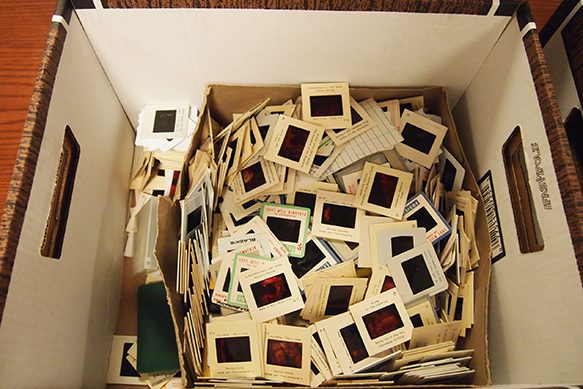
Original Order

One of the two fundamental principles used when arranging Archival records. The idea behind this principle is that it is not just the records and the information within them that is important. It is the context in which the records were originally used and organized that is equally important – adding to the history of those records. Once the records have been donated to an Archive, the records’ organization will be maintained and no other order will be imposed (alphabetical, numerical, chronological).

That being said – if there is NO obvious original order – an Archives will arrange the materials in a way that makes the most sense in relation to the nature of the records.

Box of slides – no organization and no obvious sign of original order

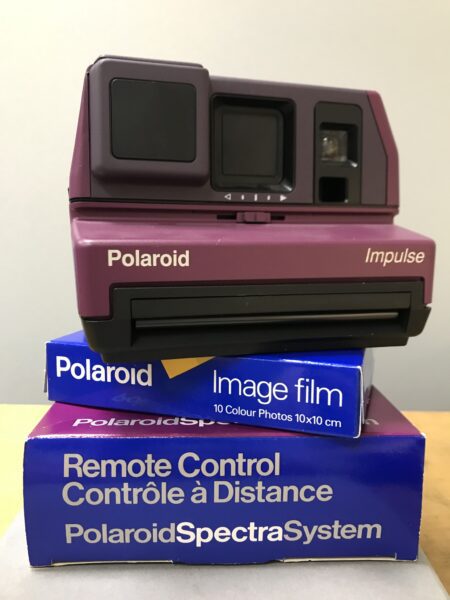
Polaroid

Our Polaroid collection has over 200 instant cameras! The collection was donated by a former Polaroid employee and includes some unique publications, camera manuals and promotional material from the company. The Polaroid Corporation was a leader in instant cameras and film, but the company’s initial research focus was on polarizers. The company developed polarized lenses and filters for various uses, which led to the creation of instant photography in 1947.

A purple polaroid camera stacked on top of a box of polaroid film and a box with a Polaroid remote control
2018.10.01.05.93 – Polaroid Impulse Camera (in Burgundy!)

Questions?

Questions about Archives? Not sure what is a Special Collection?

We’re here to help answer those questions and support patrons navigate the world of archival research! If you want to know more about what collections are available at Archives & Special Collections (or A&SC) and how to search them, a great place to start is our Research Guide.

Some of the most common questions we get are:

  • Do I have to wear gloves?

In most cases you don’t! The use of white cotton gloves are a common misconceptions in libraries and archives (see this fun blog by the Smithsonian on the topic!) Cotton gloves can actually damage material by getting caught on the edge of an object or a torn piece of paper. We prefer that researchers arrive with clean hands before handling the material. The only instance when gloves need to be used is when handling prints or negatives that are not in protective housing.

  • Can I copy or take photos of the material?

Yes, you are welcome to take reference photos of the material for research or private study during an appointment. There are some cases when it is not possible, if there are privacy concerns for instance, but our staff will let you know beforehand.

  • Can I check out this book?

Unfortunately not. We love patrons to use our collections, but items in Archives & Special Collections must be kept in our reading room. Books and records in our holdings can be unique, fragile or may require special handling. We don’t want to limit access to our collections, but by keeping them in the reading room we can ensure that future generations will have access to them!

Robert MacIntosh Collection

The Robert Macintosh City of Toronto Book Collection contains historical and contemporary publications on the history of Toronto. Macintosh donated this collection to Special Collections in 2013 (he is also the author of one of the books titled Earliest Toronto). The collection includes 141 books on the history of Toronto, featuring tourist guides and souvenirs about the city from the late 19th and early 20th centuries.

You can see the full list of books from this collection in the library catalogue.

Storage

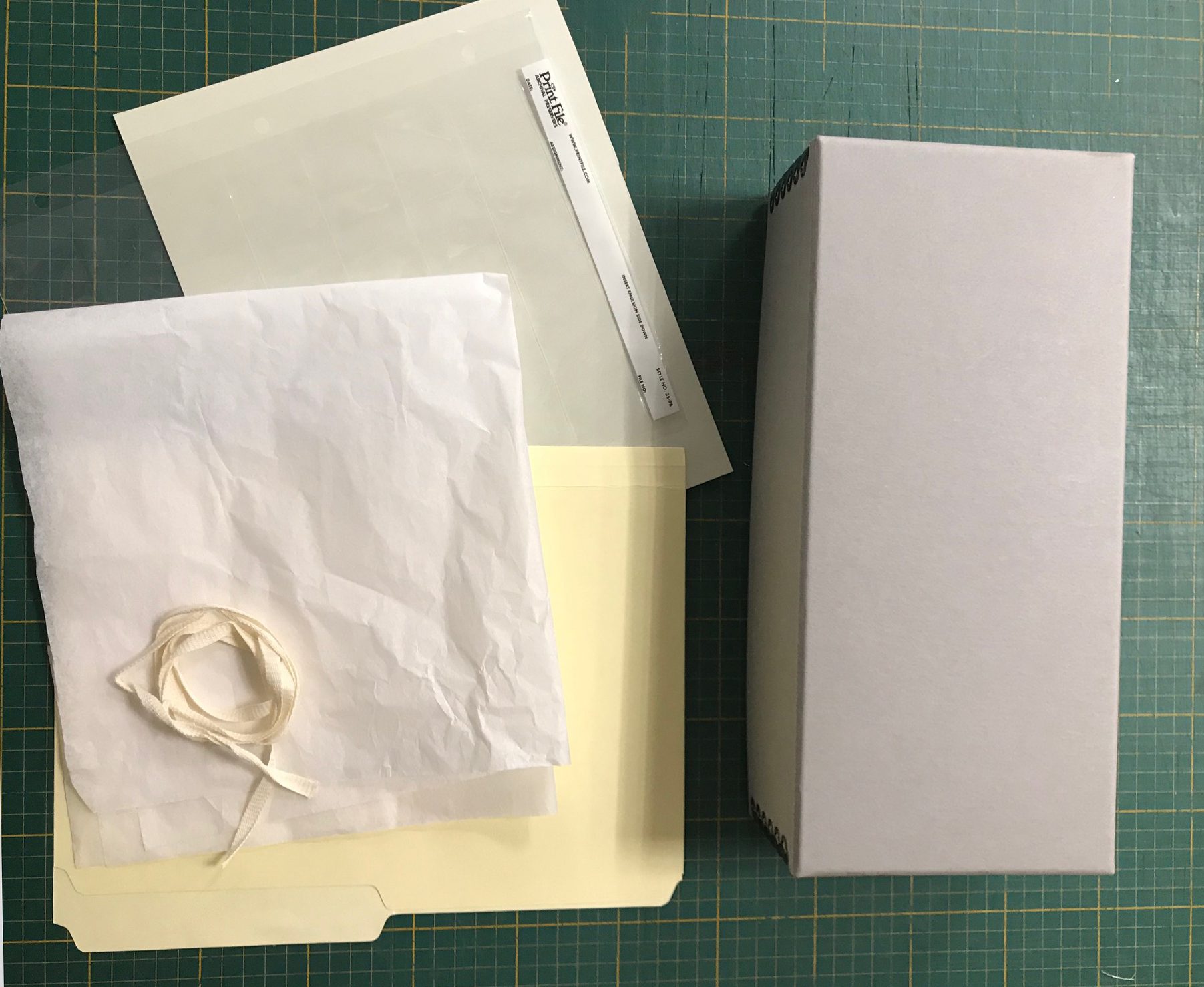
Storage can mean two things – What we re-house the materials in and where we store them once they have been re-housed.

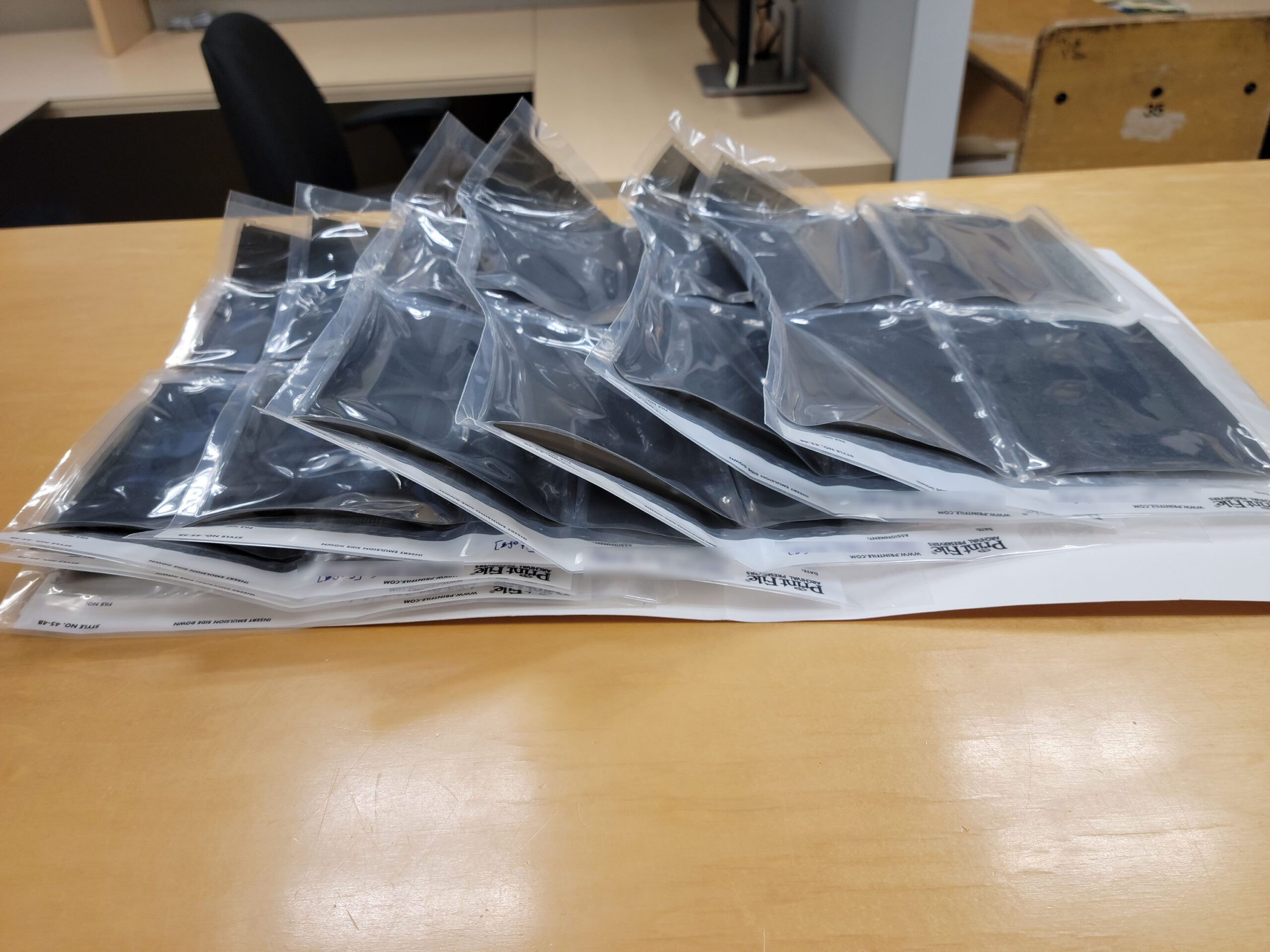
One of the last steps in preparing new donations for entry in our collections is re-housing them. When records and objects are delivered to us they are usually in their original file folders, boxes, and housing that, in the long run, can be harmful to the materials. For example, file folders may be replaced with acid free folders and placed in special archival boxes that help protect the records and prolong their life. Photographs are often placed in neutral see-through sleeves that enable the photographs to be seen, but protect the print from the damage that handling can cause. Because of the varied make up of most Archives and Special Collections, there is a wide variety of materials, cases, and boxes that are available for re-housing from a small case to house a coin to an 8ft long box made to house gowns and dresses. The Canadian Conservation Institute has published “CCI Notes” – guides for the care, handling, and storage of a wide variety of materials – you can access them at Canadian Conservation Notes

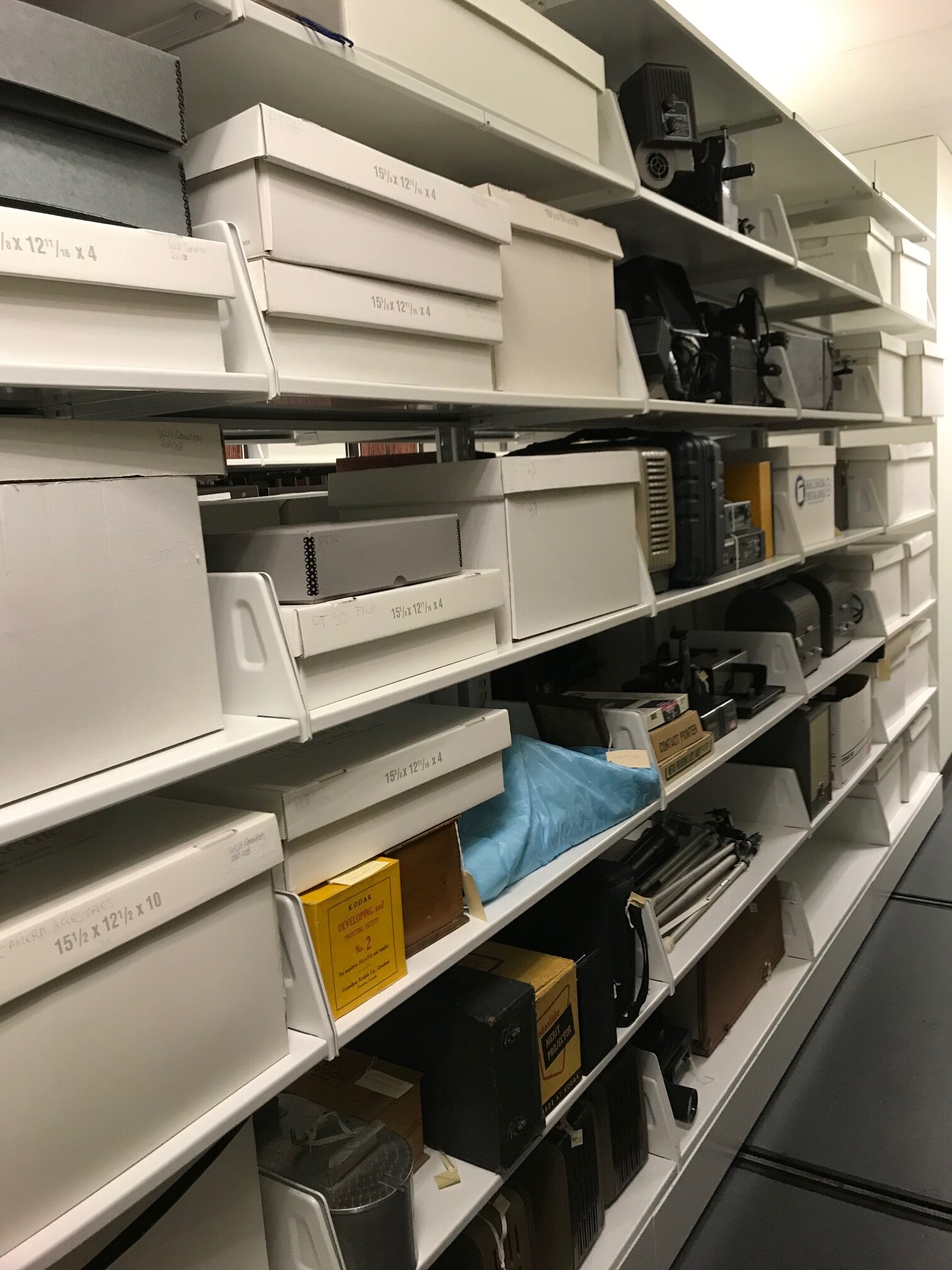
Storage also means the shelving and room(s) where the collections are stored. The one universal truth across Archives and Special Collections is that, with collections constantly expanding, there never seems to be enough room! Storage can range from a small closet to a state of the art climate controlled vault. At our Archives and Special Collections we are lucky enough to have compact storage – which greatly increased our storage footprint.

Next week, in our final April post, we’ll highlight items and archival concepts for the letters T to Z!

Archives A to Z 2022 Week 2

We’re joining the Archives of Ontario in their #ArchivesAtoZ month-long campaign. The aim is to increase the public’s awareness of archives and their collections. We’ll be sharing four blog posts throughout the month showcasing items from our collections and demystifying archival concepts related to each letter of the alphabet.

  • April 4: A to F
  • April 11: G to M
  • April 18: N to S
  • April 25: T to Z

Graphic Materials

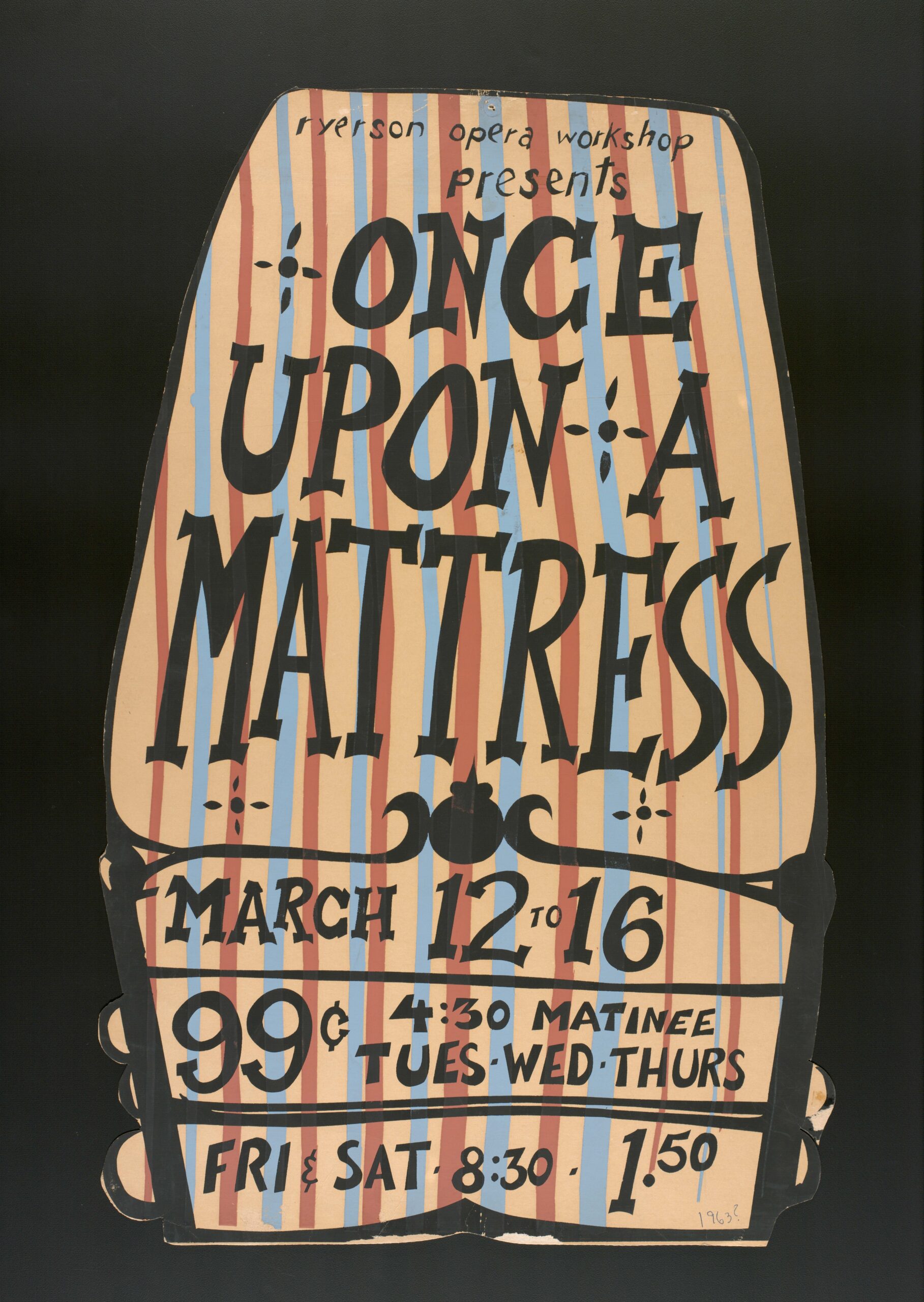
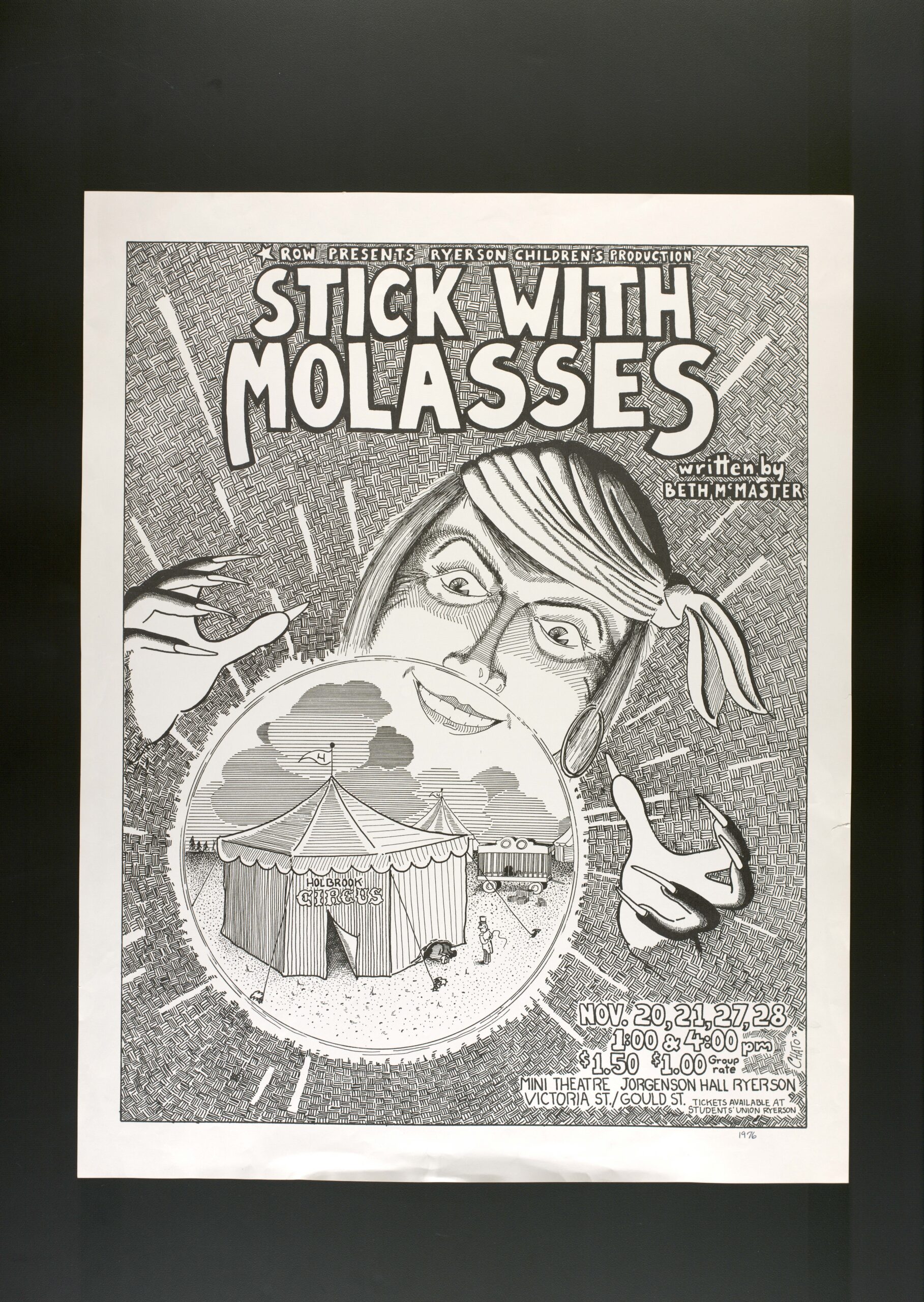
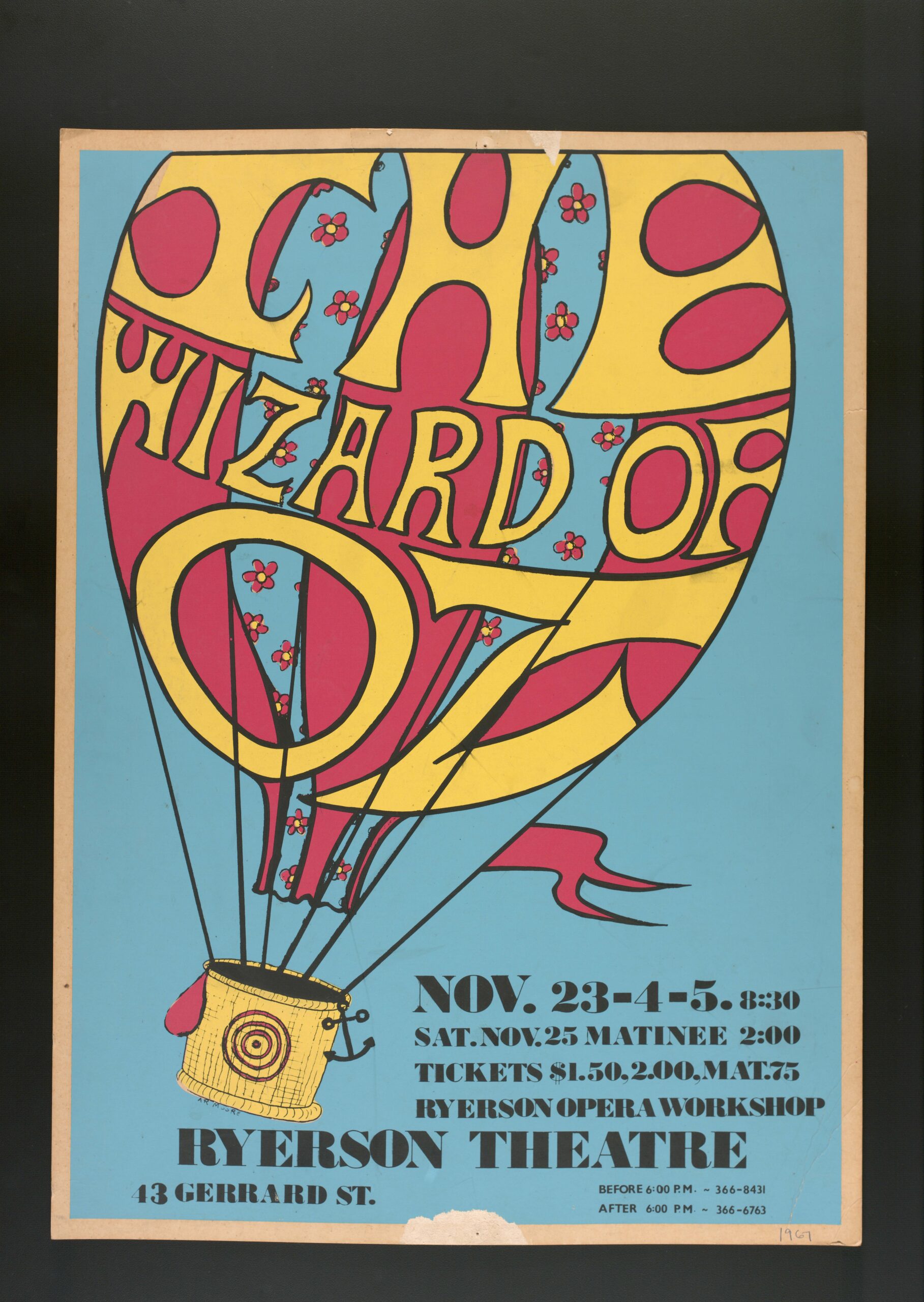
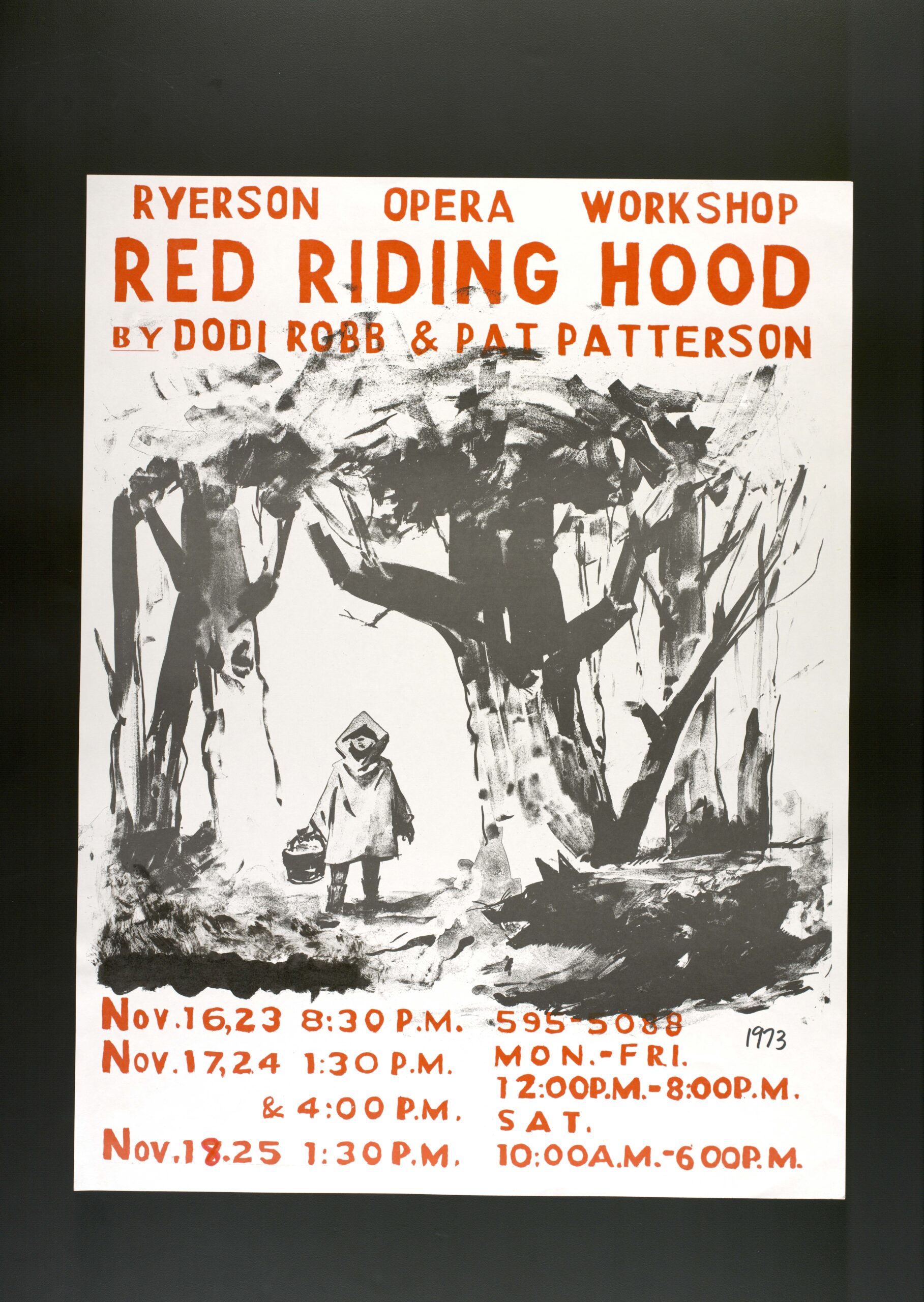
According to the Canadian Council of Archives graphic materials are “…are defined as documents in the form of pictures, photographs, drawings, watercolours, prints, and other forms of two-dimensional pictorial representations.” This definition includes a diverse range of materials and processes that often make up the bulk of an Archives or Special Collections holdings. While conducting research last year – we came across these amazing hand painted and hand drawn theatrical posters created by students to advertise Ryerson Opera Workshop productions. The Ryerson Opera Workshop, or ROW, was established in 1951 by Jack McAllister, at the time faculty in the English Department and would later be one on the founding faculty in the School of Performance. The workshop was an institute-wide, student endeavour from production crew to cast members.

Hot Docs

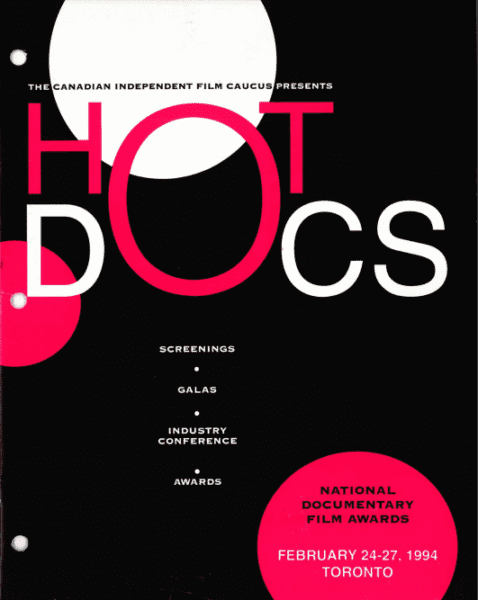
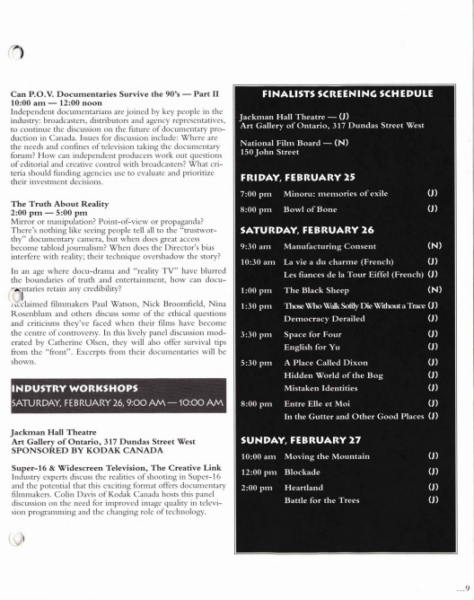
The Hot Docs Fonds includes physical and digital material produced for the annual Hot Docs Canadian International Documentary Festival. Digital copies of the programs from 1994 to 2001 festivals can be viewed on our database by clicking on the program’s cover images. We’re looking forward to this year’s festival, which begin on April 28th !

Imaging

Imaging, also known as digital imaging, reformatting, scanning or digitizing, refers to creating an electronic representation of an analogue object. The are several standards for imaging cultural heritage material, such as the Federal Agencies Digital Guidelines Initiative (FADGI) and the Canadian Heritage Information Network (CHIN).

We generally use a flatbed scanner for graphic material, and an overhead copy stand for large prints and 3-D objects. We also digitize audiovisual formats such as VHS tapes and audio-cassettes, since they tend to deteriorate quickly and the playback equipment required for reformatting is becoming less readily available (a tape deck or a VCR for instance.)

We often get asked why libraries and archives can’t digitize all of our collections for online access! The Peel Art Gallery Museum + Archive has a blog post with great answers to this question, but it generally is tied to the amount of resources required for mass digitization (staff time, technical equipment, digital storage, copyright clearance, etc.) Take a look at what we’ve digitized so far through our online database!

An example of imaging using a copy stand. We use colour bars to identify the scale of the object and to have reference for tone and colour balancing., image
An example of imaging using a copy stand. We use colour bars to identify the scale of the object and to have reference for tone and colour balancing.

Jorgenson Hall Model

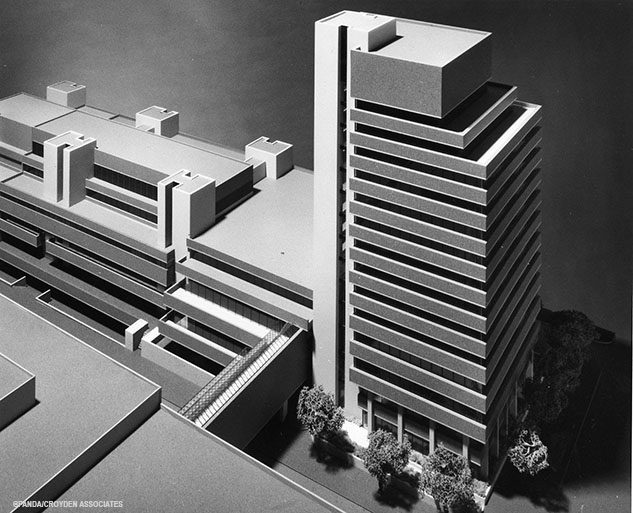
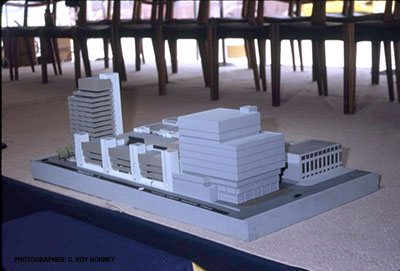
The Jorgenson Hall/Podium/Library Building architectural model is one of three campus building models in our collections (the other two being Pitman Hall and the RAC). This one was created by Webb Zerafa Menkes Housden Architects Engineers and shows the three buildings plus the west side of Kerr Hall which attaches to the complex via footbridges at either end.

Keyword Searching

Keyword searching can be hit and miss when it comes to looking for archival records – especially if you are starting your research in an internet search engine. Every search comes back with hundreds of thousands of returns – so how do you improve your chances of finding what you are looking for?

Having a plan of action that includes an initial list of keywords is a good way to start. When thinking of what keywords you want to use there are several things to keep in mind:

  • 1) The age of the records you are looking for and the time period of their creation – terminology is ever evolving and you may find your search returns include offensive and outdated terminology that is no longer in use, but would have been at the time of the records creation
  • 2) Word spelling – countries may spell words differently so include all the potential spellings of your keywords when you are searching.
  • 3) Alternate/previous names – this is especially important if you are researching a geographic location – has it always been called what it is named now?

Finally – consider adding some of these terms to the end of your keywords: papers, photographs, collections, exhibition, primary source, archives, special collections, library, museum, curriculum. Any or all of these terms may help narrow down your search and help you find what you are looking for. Robin M. Katz’s “How to Google for Primary Sources” has some other suggestions to help you with your search.

Word cloud of search terms

Lorne Shields

Lorne Shields has been an avid collector of bicycles and bicycle ephemera since 1967. His passion for bicycles led him to collect photographs on the subject as well as books, magazines, and bicycle memorabilia.

Shields donated his collection of photographs unrelated to bicycles to Special Collections in 2008. This includes studio portraits and carte-de-visites as well as landscape and industrial imagery from the Victorian era to the 1960s. The collection also comprises many vernacular photographic albums, good examples of glass and metal photographic processes including cased daguerreotypes, ambrotypes and tintypes. Explore our database for more information on the Lorne Shields Historical Photograph Collection.

2008.001.1872 - [Portrait of three women], image
2008.001.1872 – [Portrait of three women]

Miniature Cameras

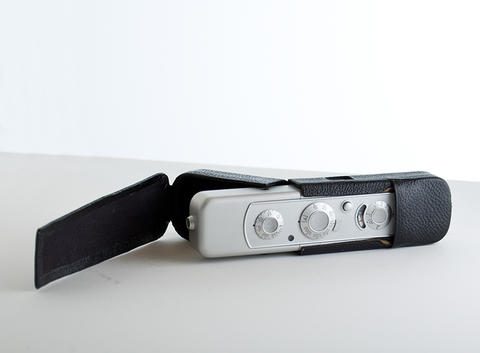
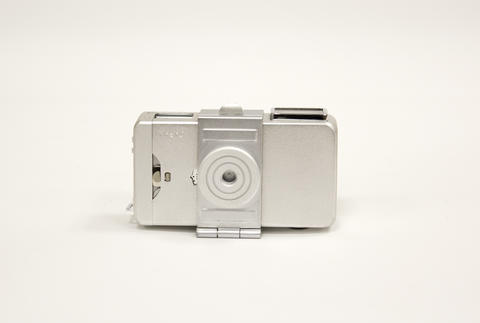
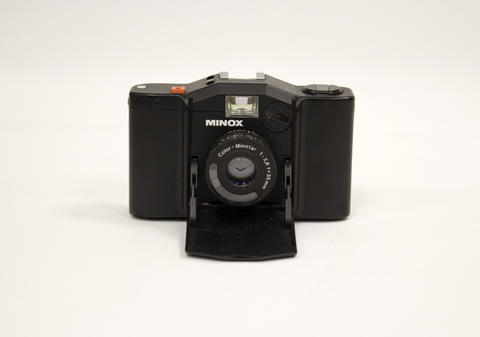
 Did you know we have several miniature and sub-miniature cameras in the collection? These mini photo devices are designed to take photographs on film sized smaller than 135 format (24mm x 36mm). The Minolta-16 camera seen below takes 10×14 mm exposures on 16 mm film.

Miniature cameras gained a reputation as “spy” cameras, and while some of the higher quality ones (including the Minox) were used by government agencies, most were simply for amateur use.

Next week we’ll highlight items and archival concepts for the letters N to S!

Archives A to Z 2022 Week 1

We’re joining the Archives of Ontario in their #ArchivesAtoZ month-long campaign. The aim is to increase the public’s awareness of archives and their collections. We’ll be sharing four blog posts throughout the month showcasing items from our holdings and demystifying archival concepts related to each letter of the alphabet.

  • April 4: A to F
  • April 11: G to M
  • April 18: N to S
  • April 25: T to Z

Artifacts (oversized!)

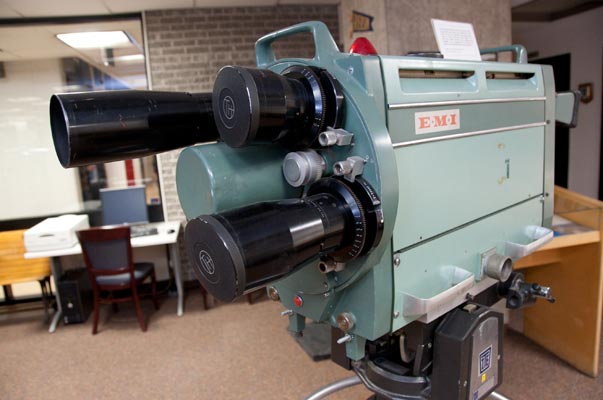
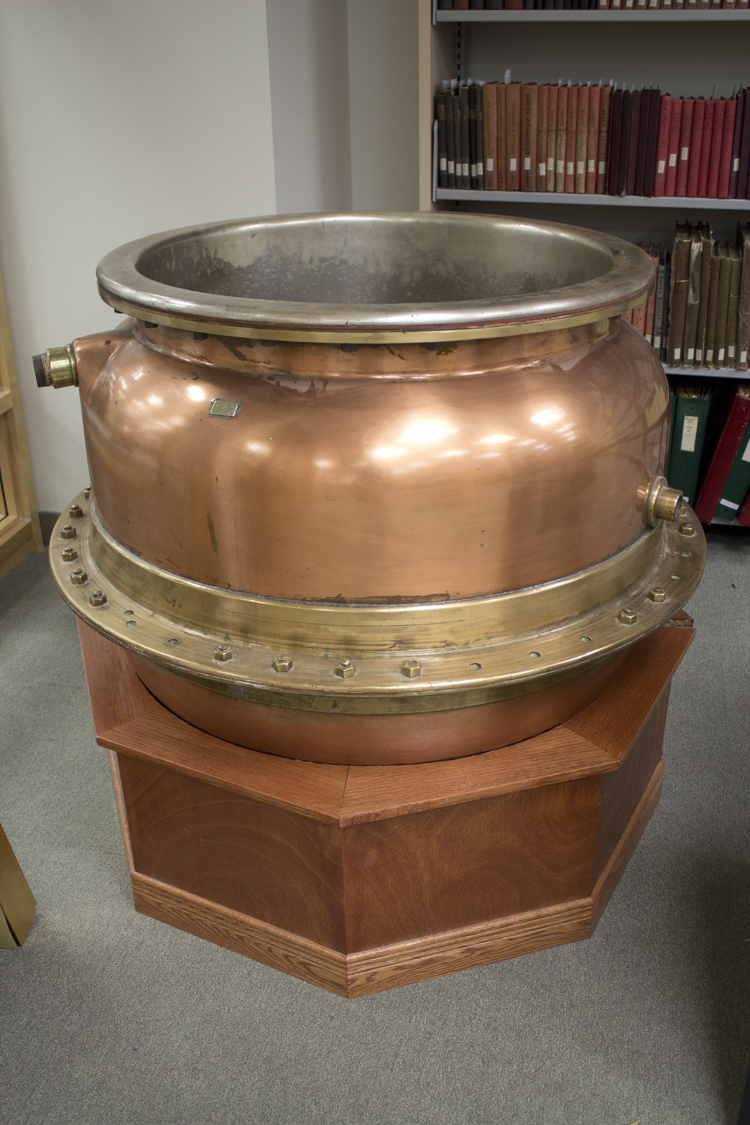
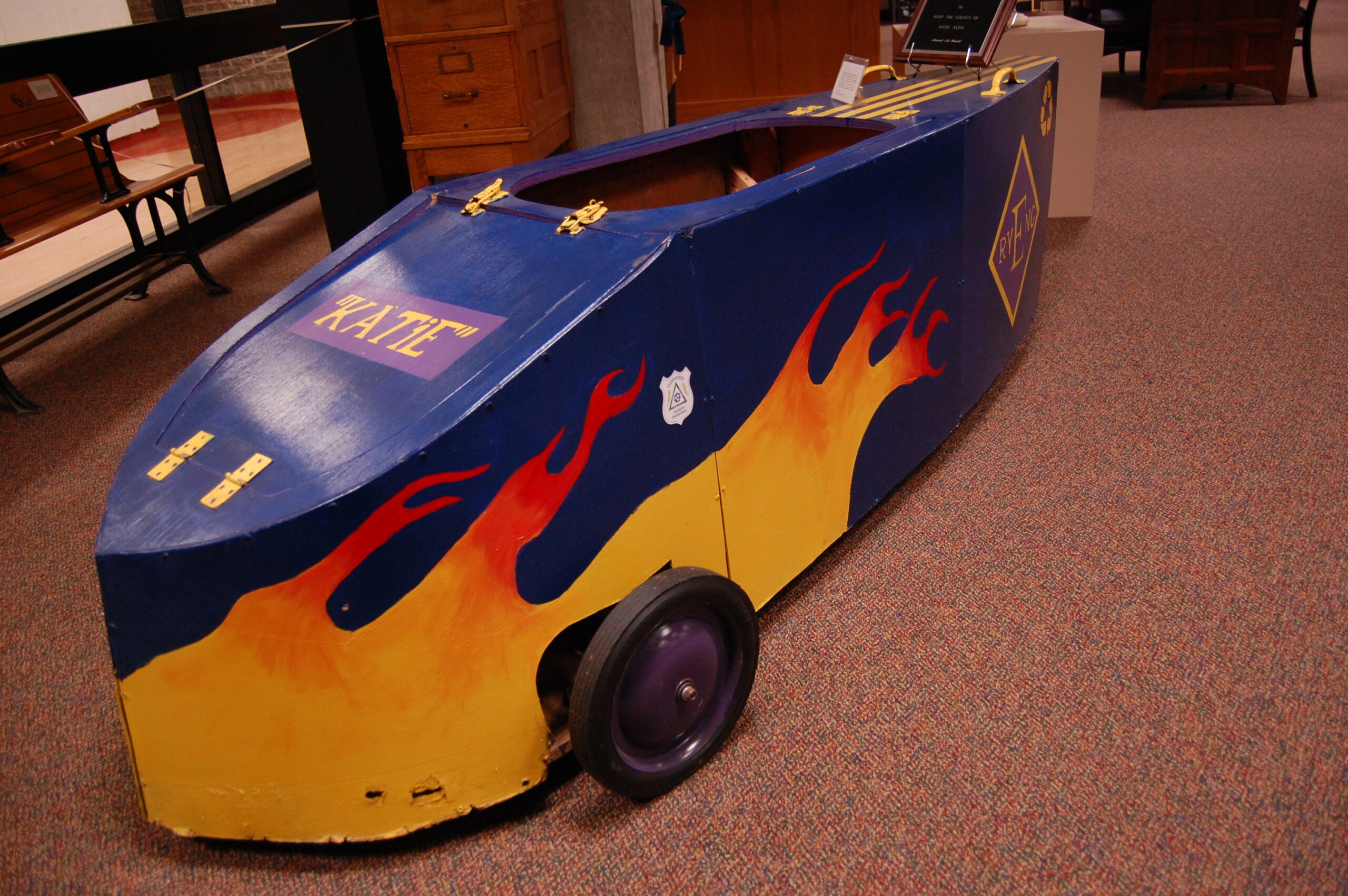
Archives and Special Collections often go beyond papers, books, and photographs in their collections. Many will have objects and artifacts as well. Our Archives and Special Collections is home to a robust collection of artifacts in all shapes and sizes, including many oversized and heavy ones that make storage tricky. Here are a few examples from the collections. (tap on the photographs to learn more about the objects)

Books

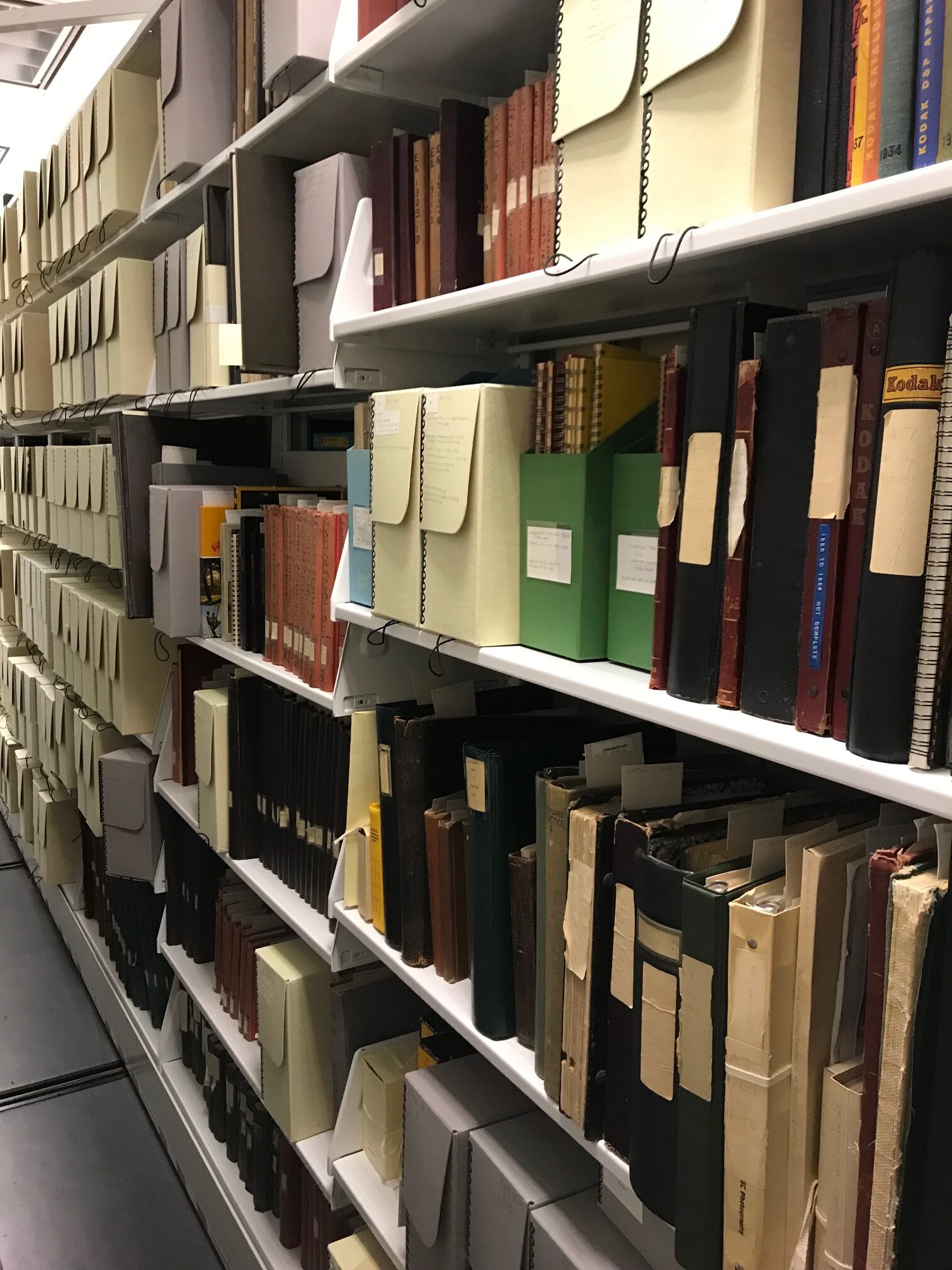
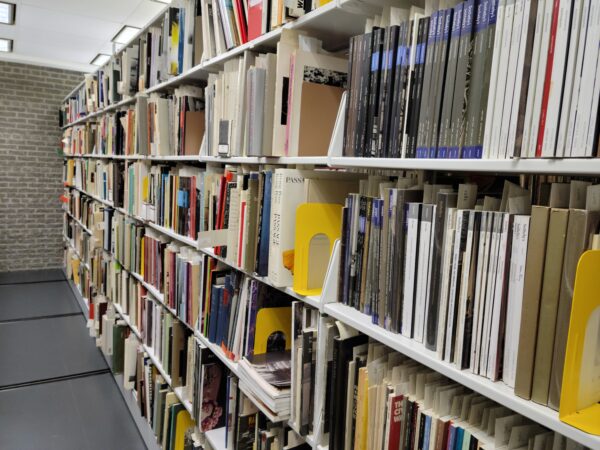
Our collection contains a large variety of published materials including books and journals. The Archives previously collected the published works of faculty. Special Collections houses rare books with a photographic focus, children’s books and History of Toronto books. They also have a large collection of photography related journals. Unlike the rest of the library – these books are not out on open shelving for viewing – they need to be pulled by Archives and Special Collections staff, and they are not available to take home. The books can be searched using the library catalogue and narrowing the location to either Archives or Special Collections

books on shelves
Books and catalogues on the shelves in Archives and Special Collections.

Campus Maps

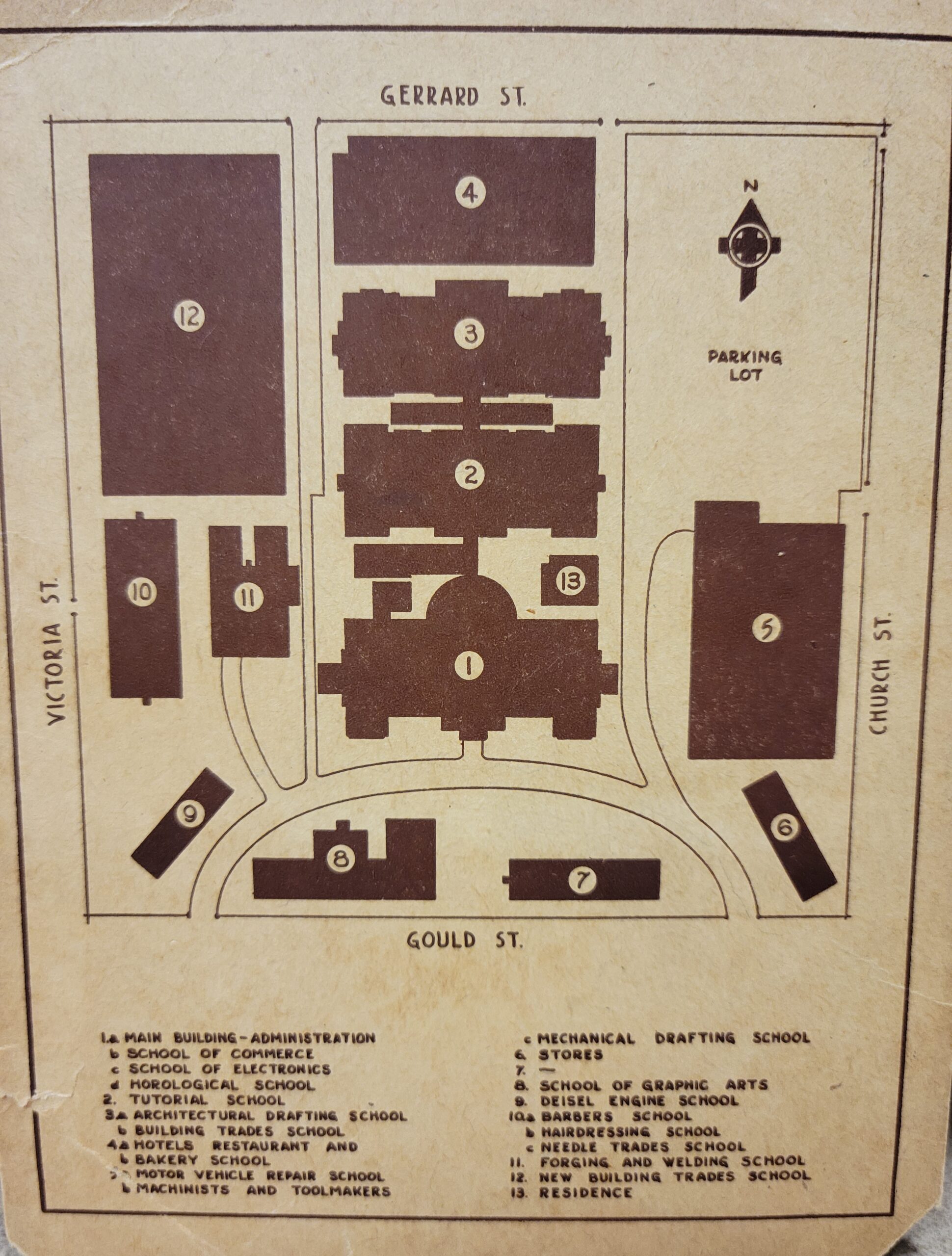
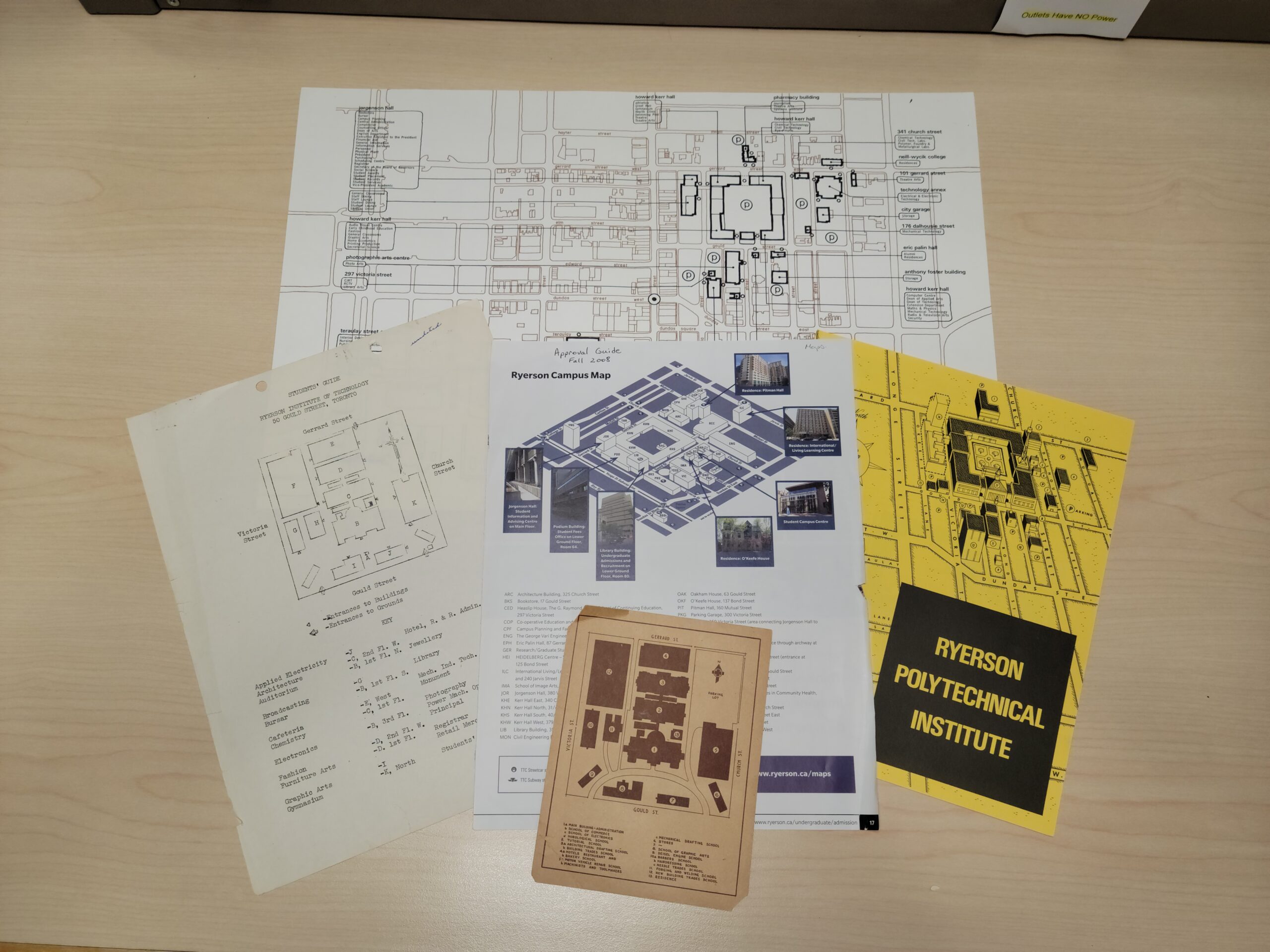
Campus maps are an important part of our collection. They show the evolution and growth of the campus starting with its creation in 1948. They highlight not just the growth of the campus, but also show movement within the campus by the programs and schools that make up the University. For example the School of Architecture is currently located at 325 Church Street. But in the 1960s it was located at 44 Gerrard Street (former School of Performance building), in the early 1970’s it was housed at in the City Hall annex building at 465 Bay Street and after a fire in that building Architecture was housed at 720 King St. (near Bathurst).

Doozers

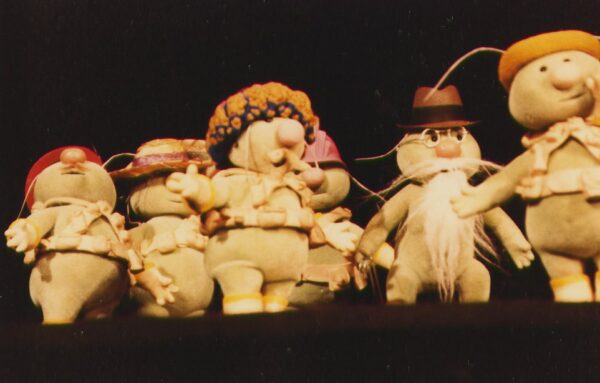
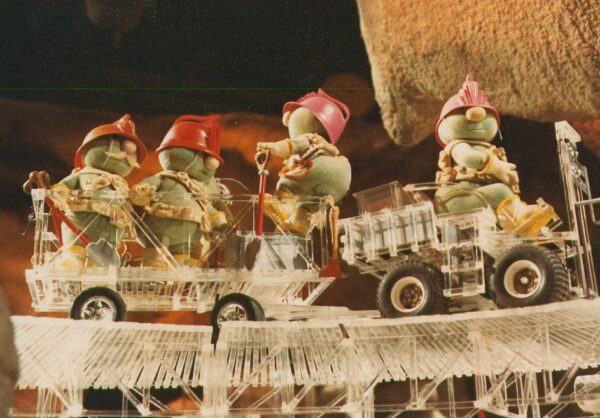
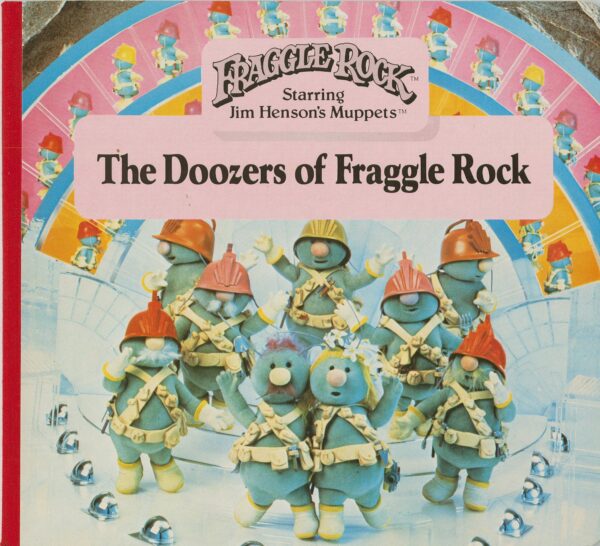
The Doozers, a favourite of the Archives and Special Collections staff, were part of the Jim Henson Television show “Fraggle Rock”. These tiny creatures were forever building structures only to have them eaten by the Fraggles. The photograph and the book are part of the Robert Hackborn Fonds. This collection contains extensive documentation of the creative processes for television show including on-set images, sketches of set designs and correspondence. Robert Hackborn was a Canadian set designer and art director. He started working at the CBC in 1955 as a scenic paint artist and later progressed to the Set Design Department where he would produce versatile special visual effects incorporated in years of Canadian film and television programming. (Tap on the photographs to learn more about the records)

Exhibition publications

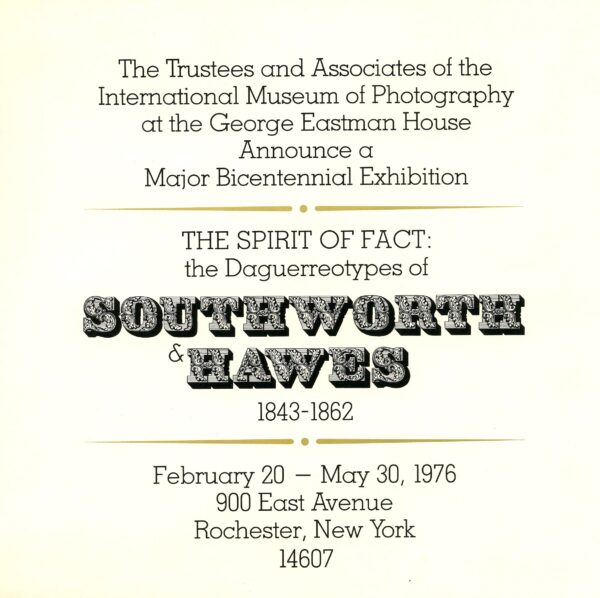
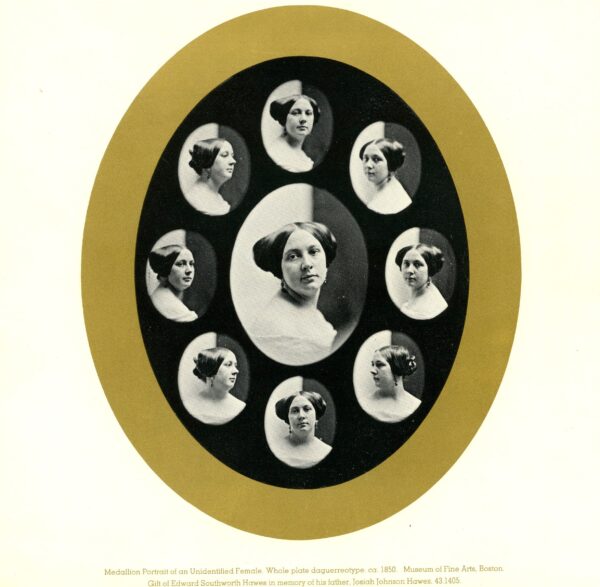
Special Collections has a selection of pamphlets, press releases and publications for exhibitions in museums, galleries, festivals and universities across Canada, the United States and abroad. The collections is continuously growing, but the original acquisition was donated by Alison Nordström, the Curator of Photographs at George Eastman House International Museum of Photography and Film, who collected the material between 1986 and 2011.

Frank Sommers interviews

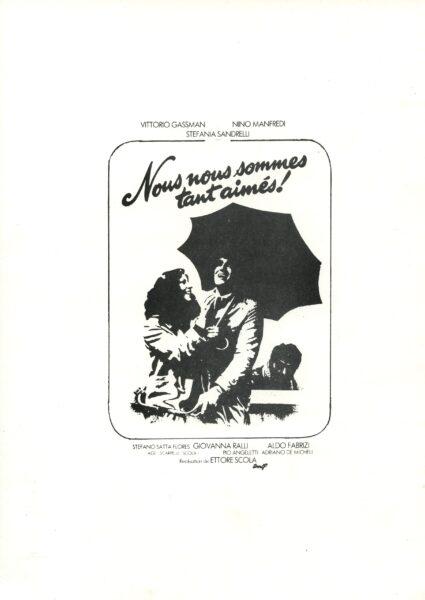
The Frank G. Sommers Fonds contains text and audio records of interviews he conducted with European and Canadian film directors Marianne Ahrne, Walerian Browczyk, Bert Haanstra, Claude Jutra, Ettore Scola, and Alain Tanner between 1978 and 1979. The goals of the interviews were to review converging trends in international cinema through director’s perspectives and gain a deeper understanding of the works.

Promotional material accompanying the Ettore Scola interview (2018.019.05)

Next week we’ll highlight items and archival concepts for the letters G to M!